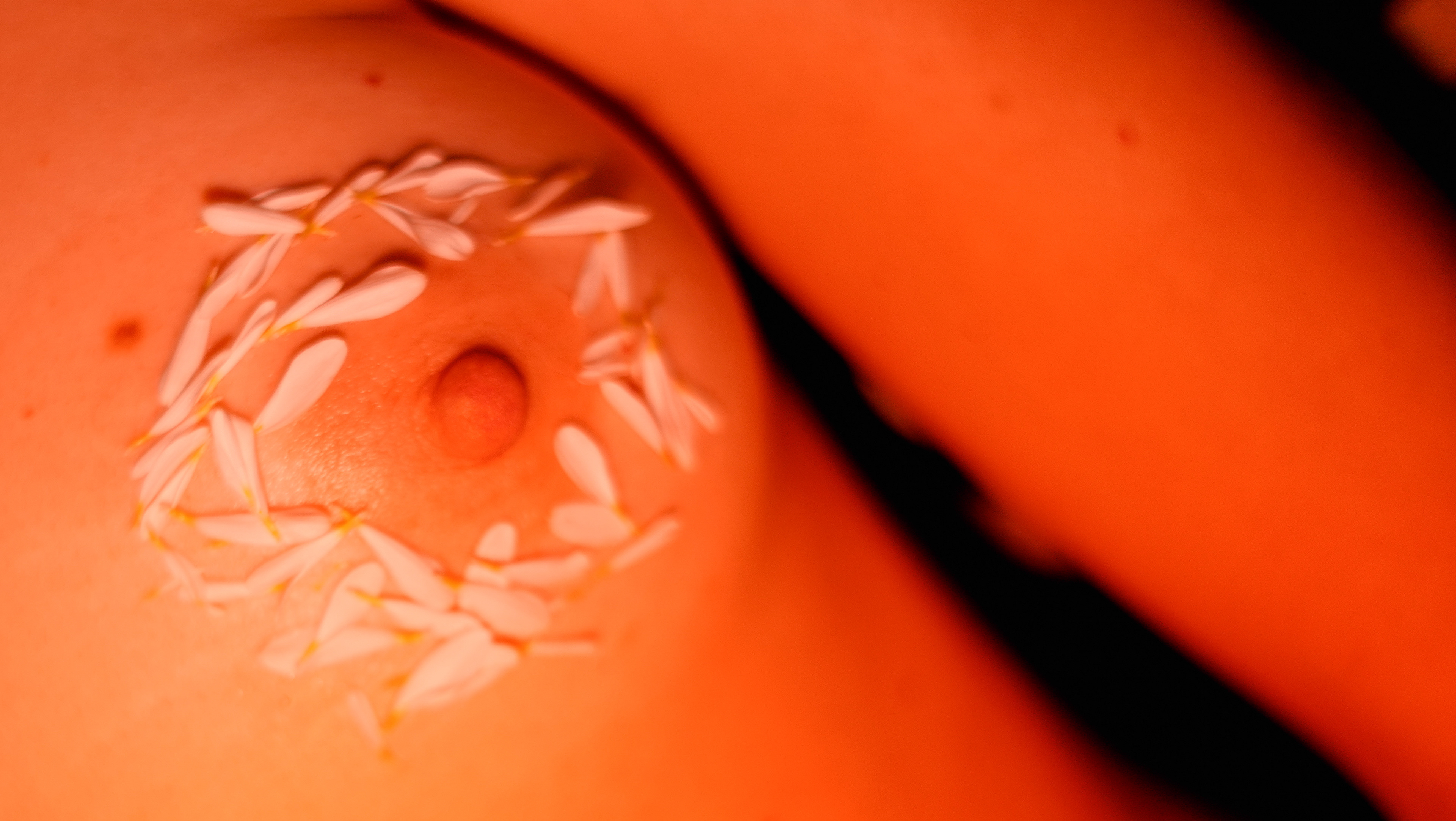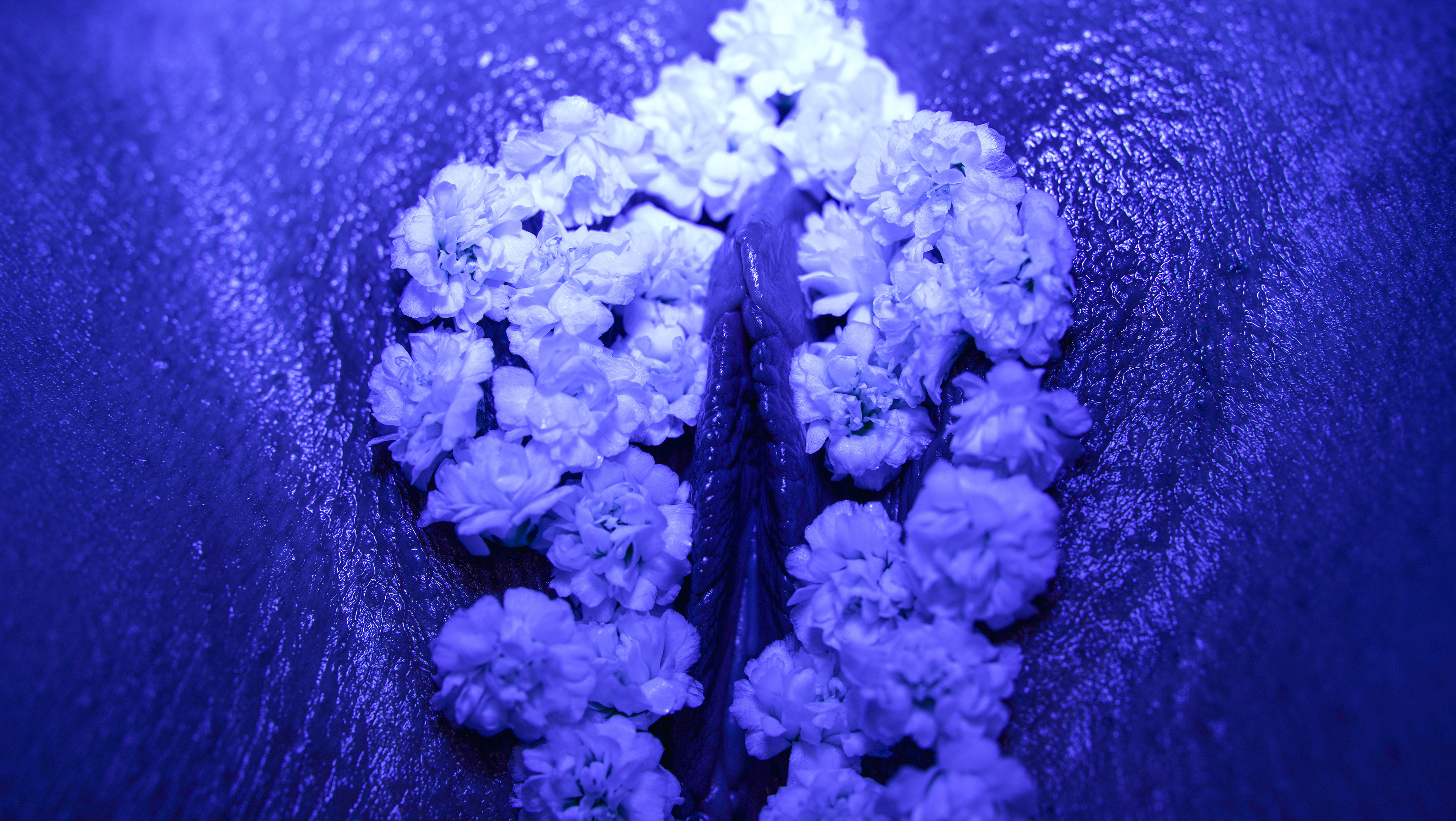
Who is allowed to look at a body? And to admire it?
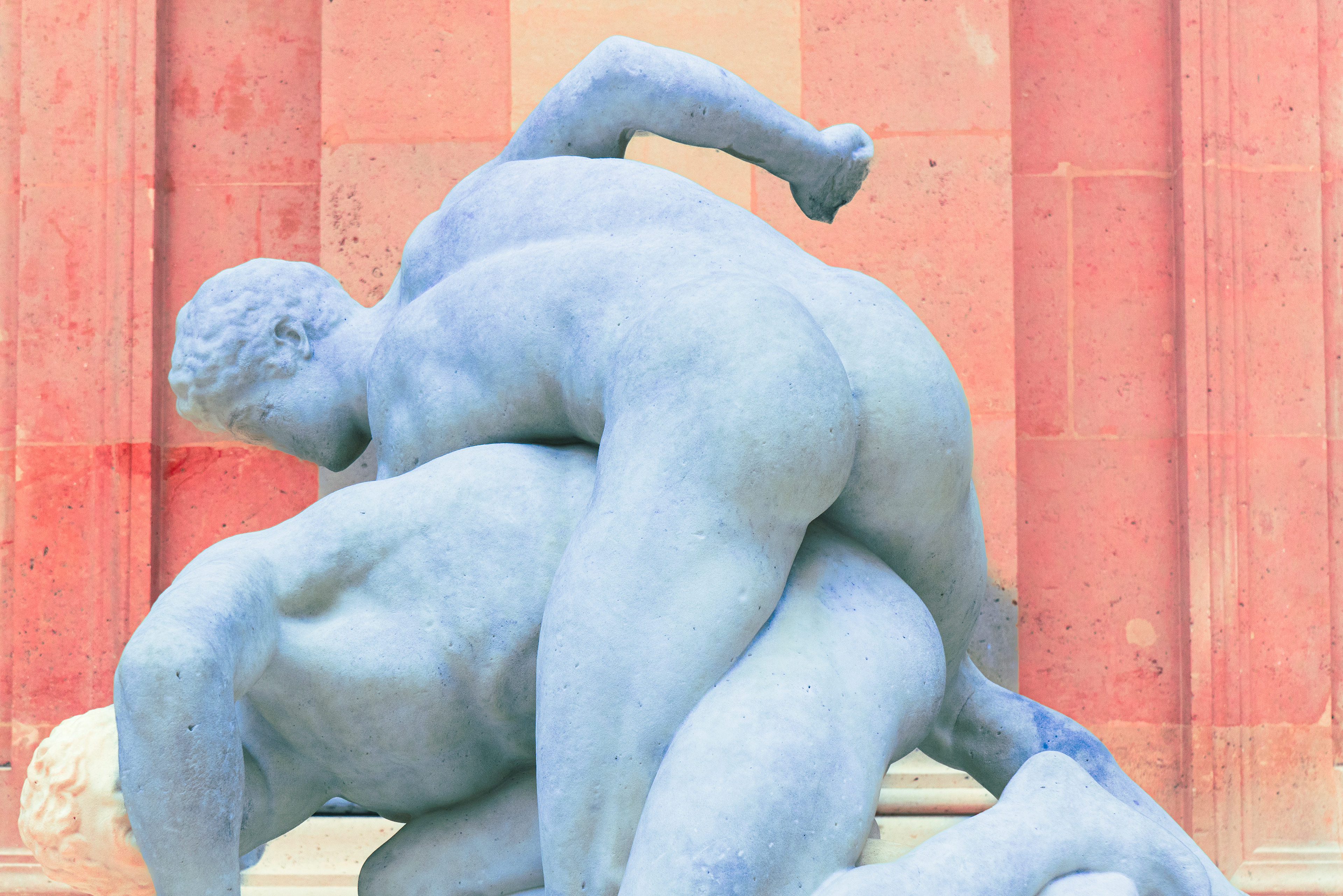
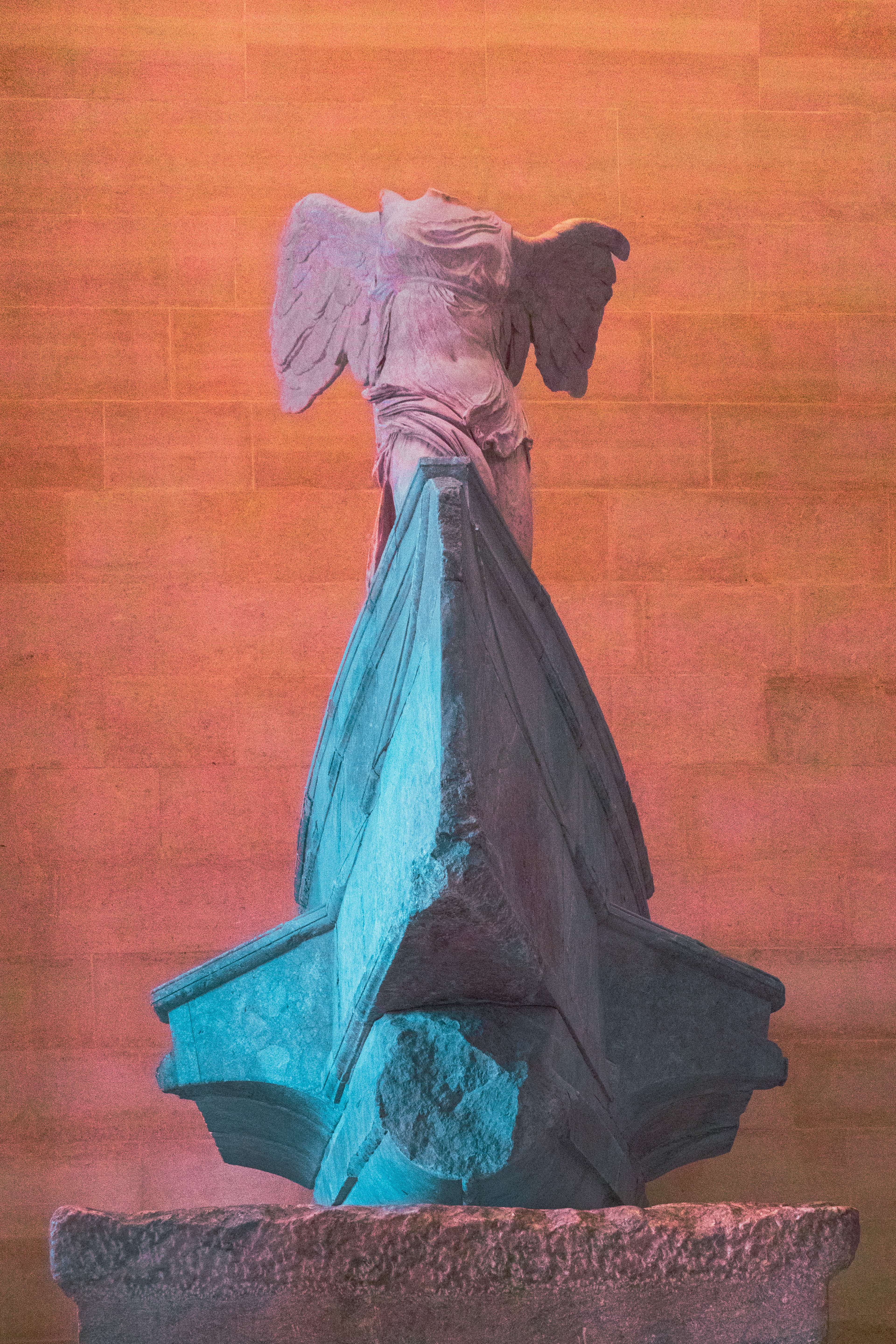
We know that, since ancient times, the human nude has been admired in sculpture; that censorship has never touched this realm, that even admiration in public spaces has been considered normal. Could it be that what is deemed worthy of admiration is its death? Its preservation through stone?
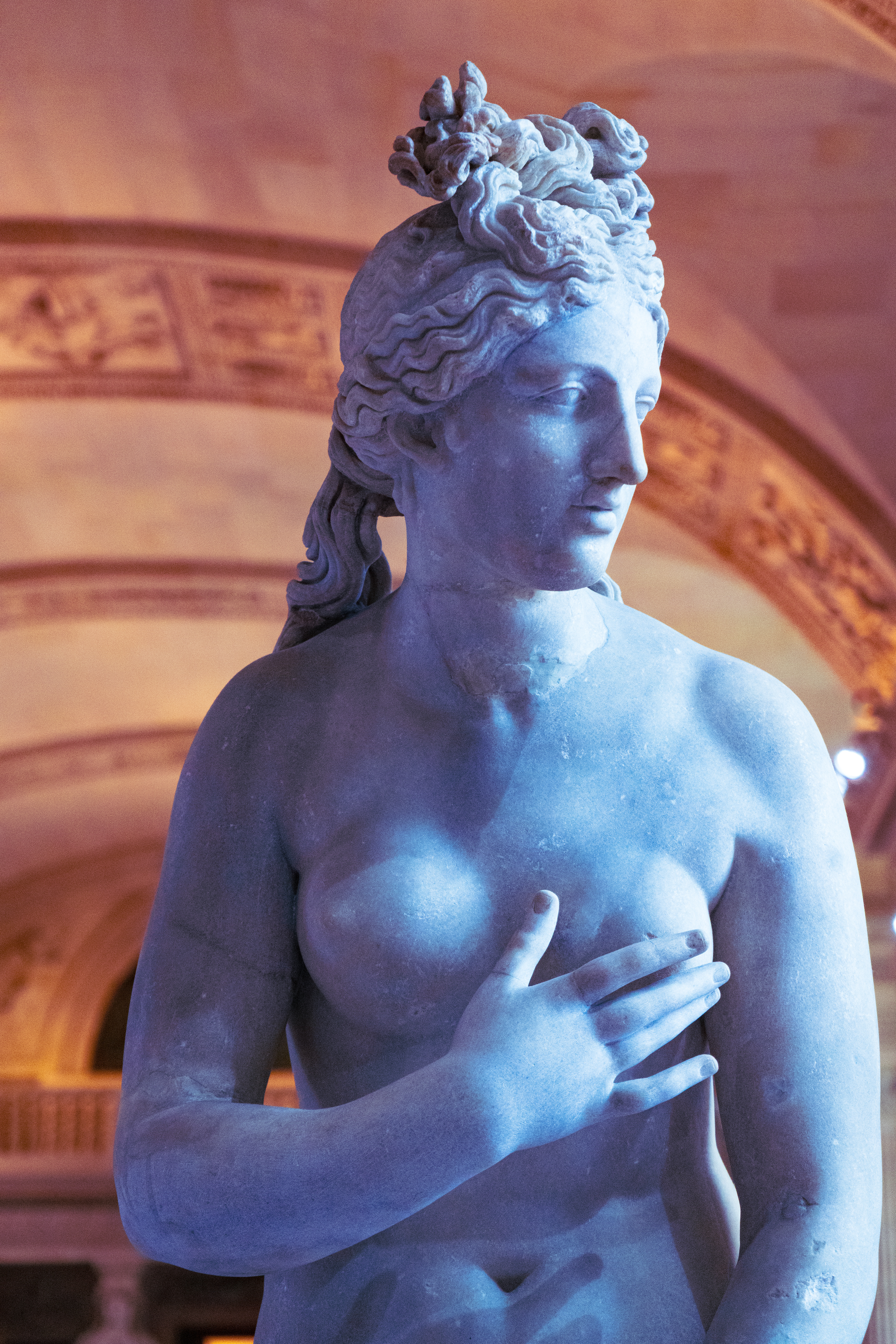
The body is accepted when it no longer responds to life: a body already domesticated, one that belongs to the past. What is sculpted, safe, inert, cold, silent. A permitted body.
The forbidden body is the one with circulation, with heat, with skin, with image, malleable; the one that may or may not allow itself to be conquered.
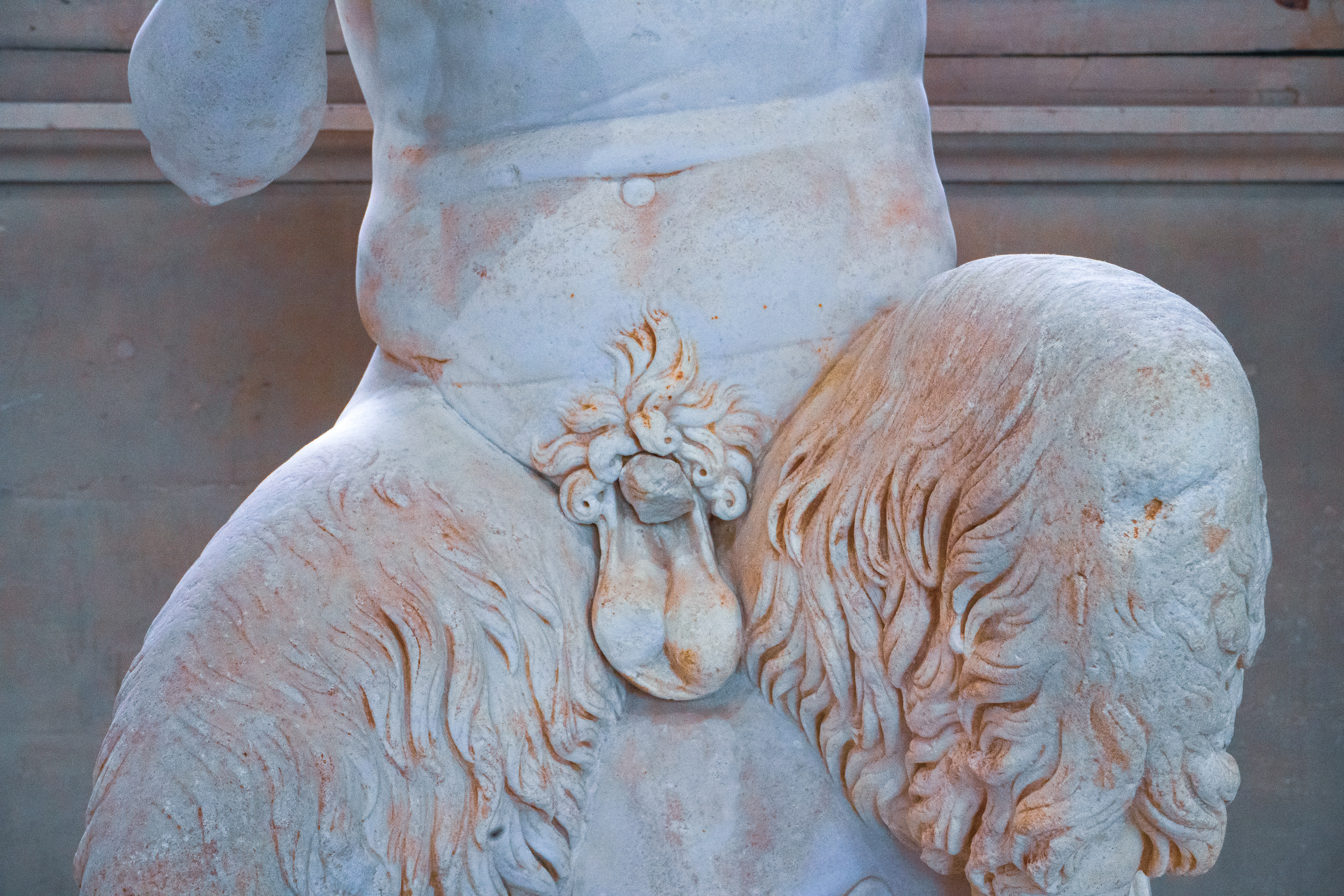
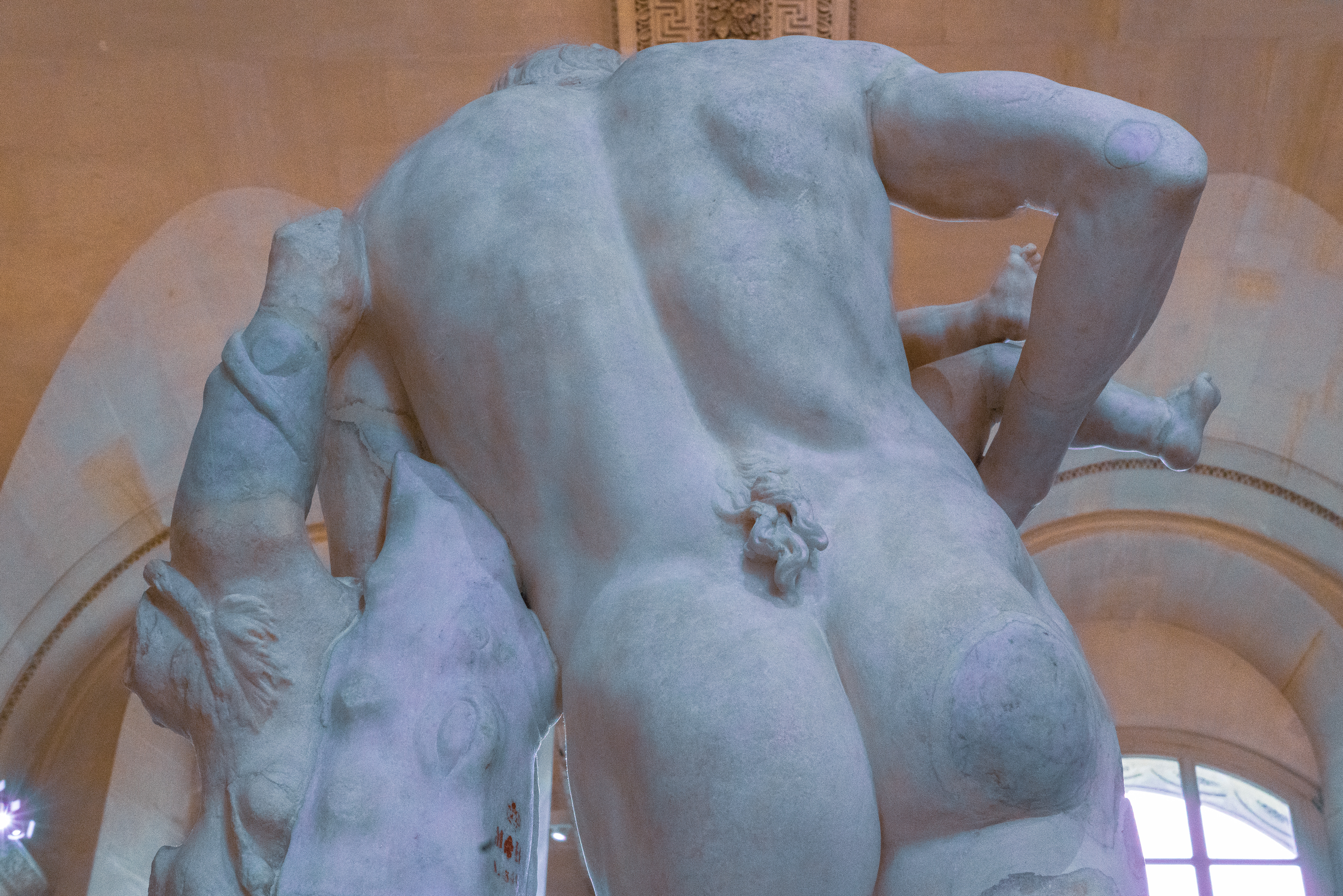
Sculpture has always been accepted, never censored, not because the body has triumphed or shed its taboo, but because it is immobile. The stone no longer responds, no longer looks back; it does not exist beyond the place where it is preserved.
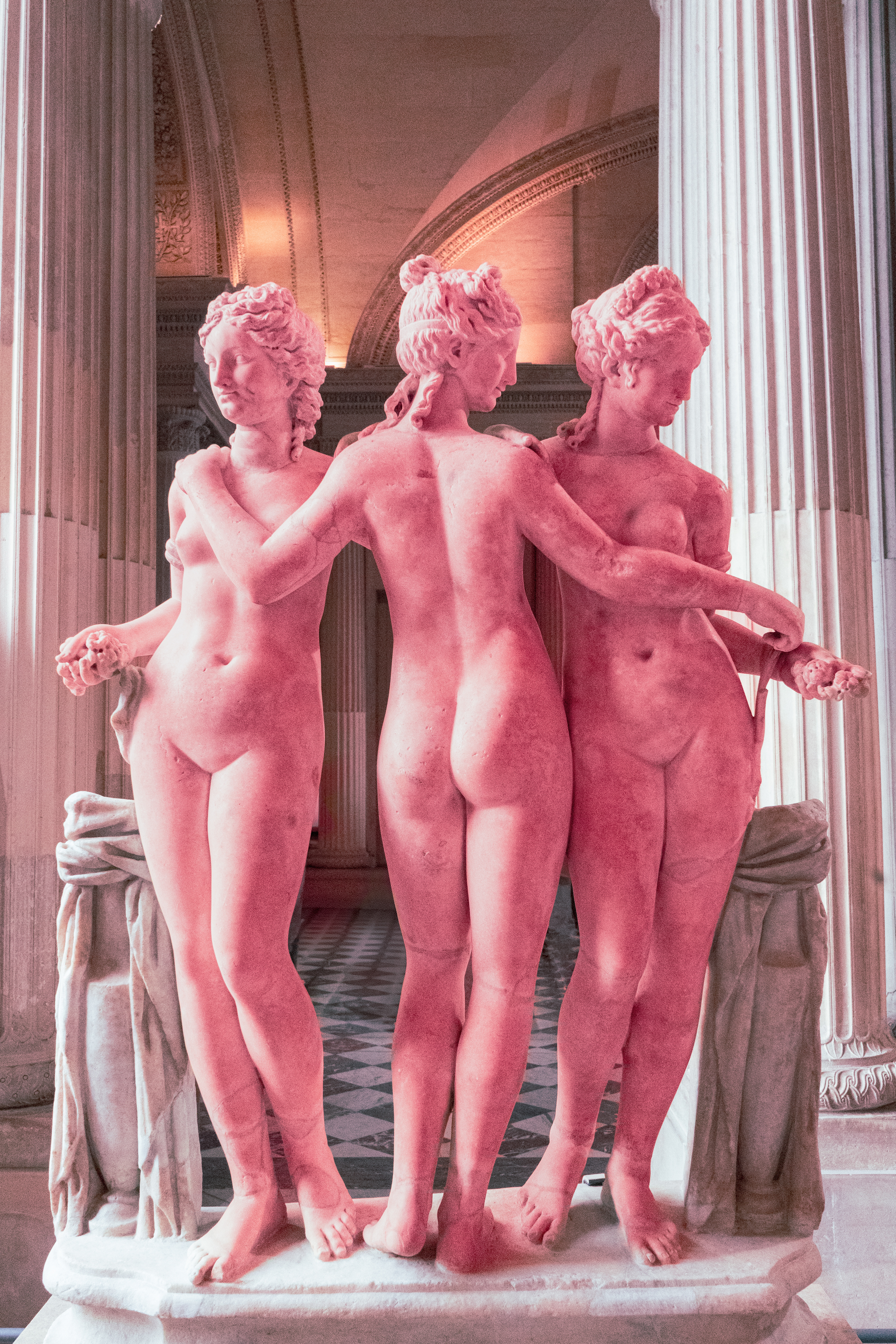
Under the label of “art,” we have learned to neutralize the erotic. Museums have legitimized the gaze, turning the body into a cultural object rather than desire. Context has rendered it untouchable. The viewer holds absolute control: the inanimate body does not return interaction, and without it, there is no risk.
Sculpture is almost immaculate, belonging to the gods, to mythology, to virgins; an idealization without fluids, without odor, an unreal perfection.
It is not only what is being looked at, but who is looking and why. The viewer tends to feel safe before the inert, but uneasy before what might return the gaze. Sculpture cannot consent or refuse. The living body can: it may or may not allow itself to be seen.
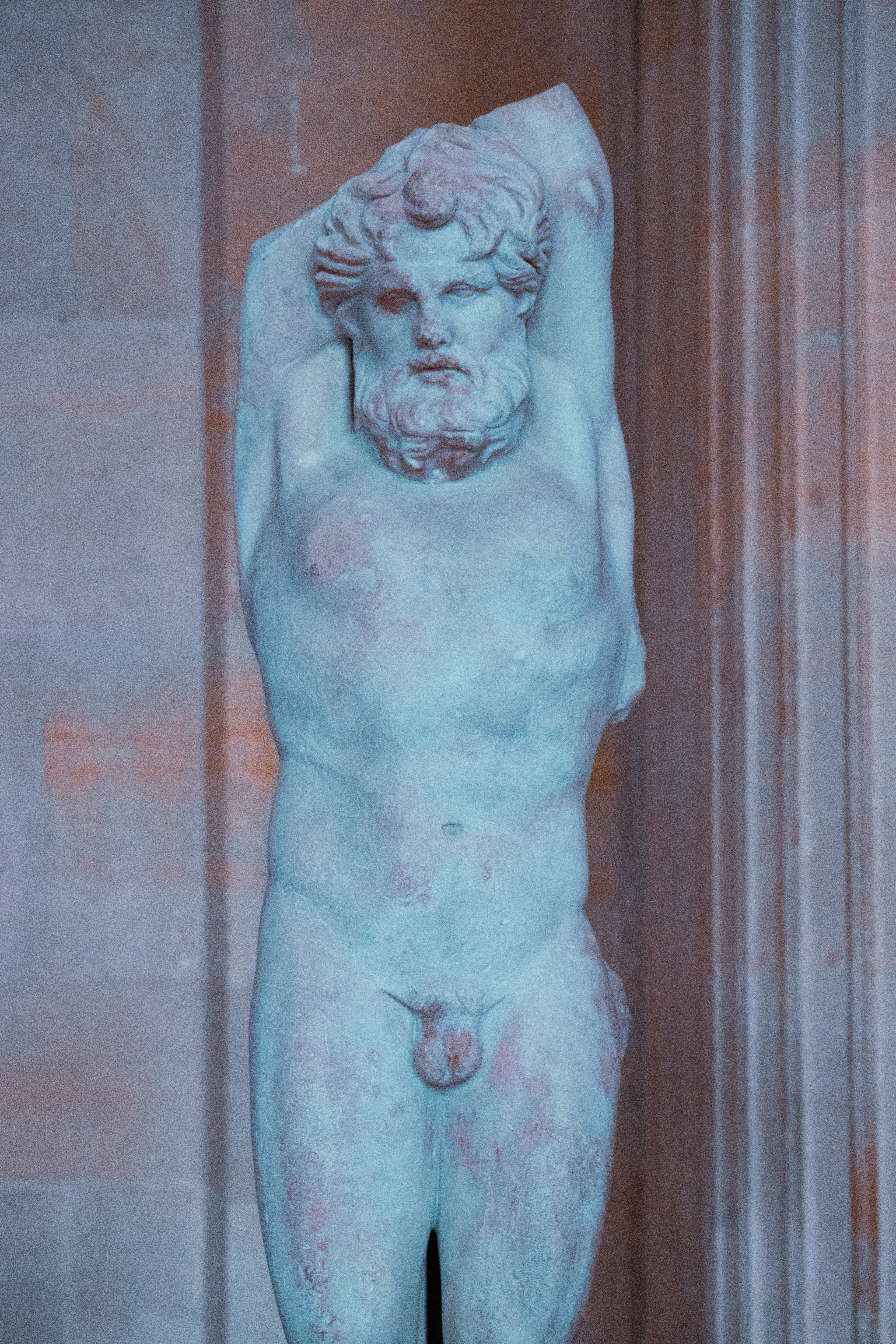
Sculpture is safe, with a prelude of what is revealed and what is concealed. The living body is unpredictable. People do not reject nudity, but that which they cannot control.
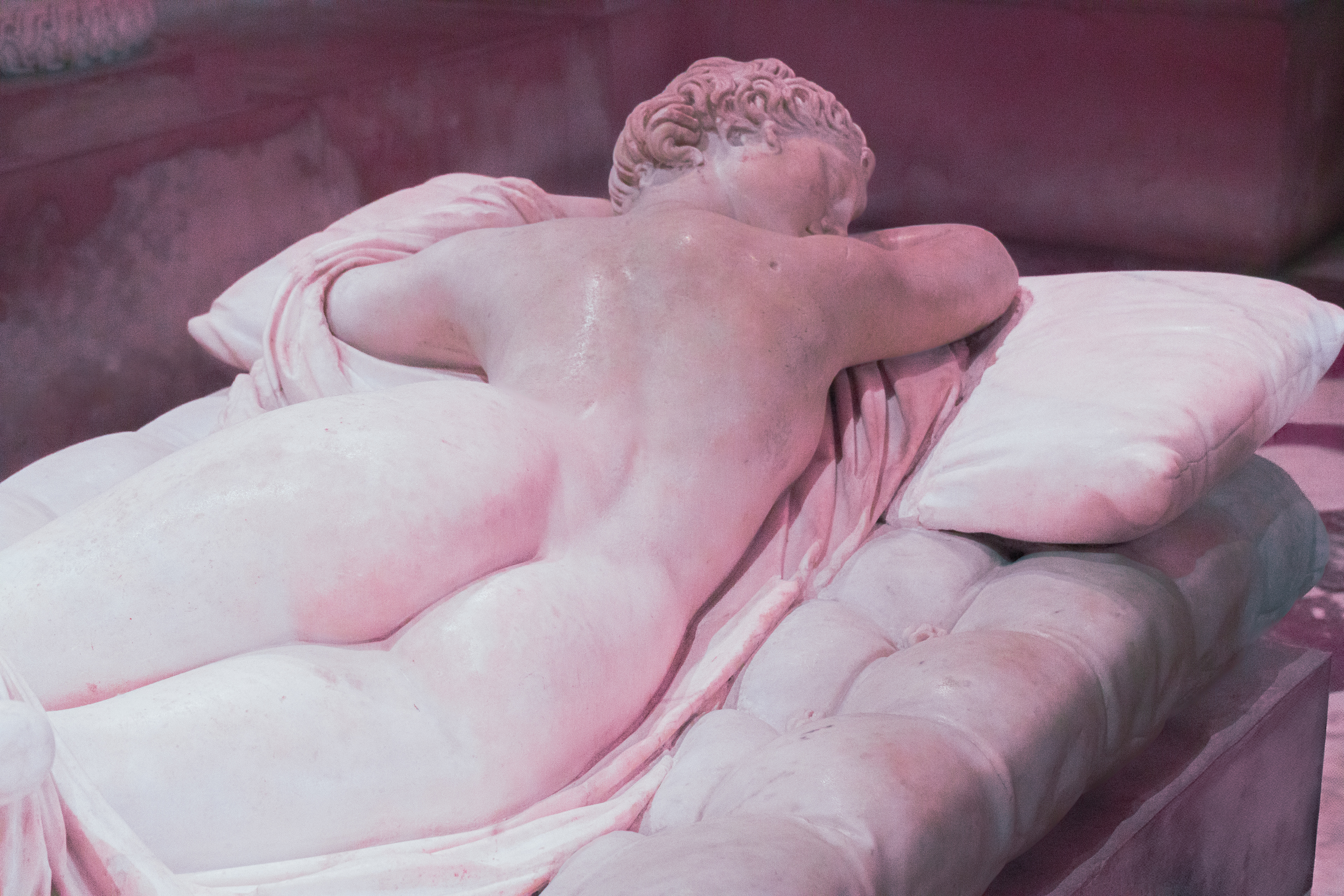
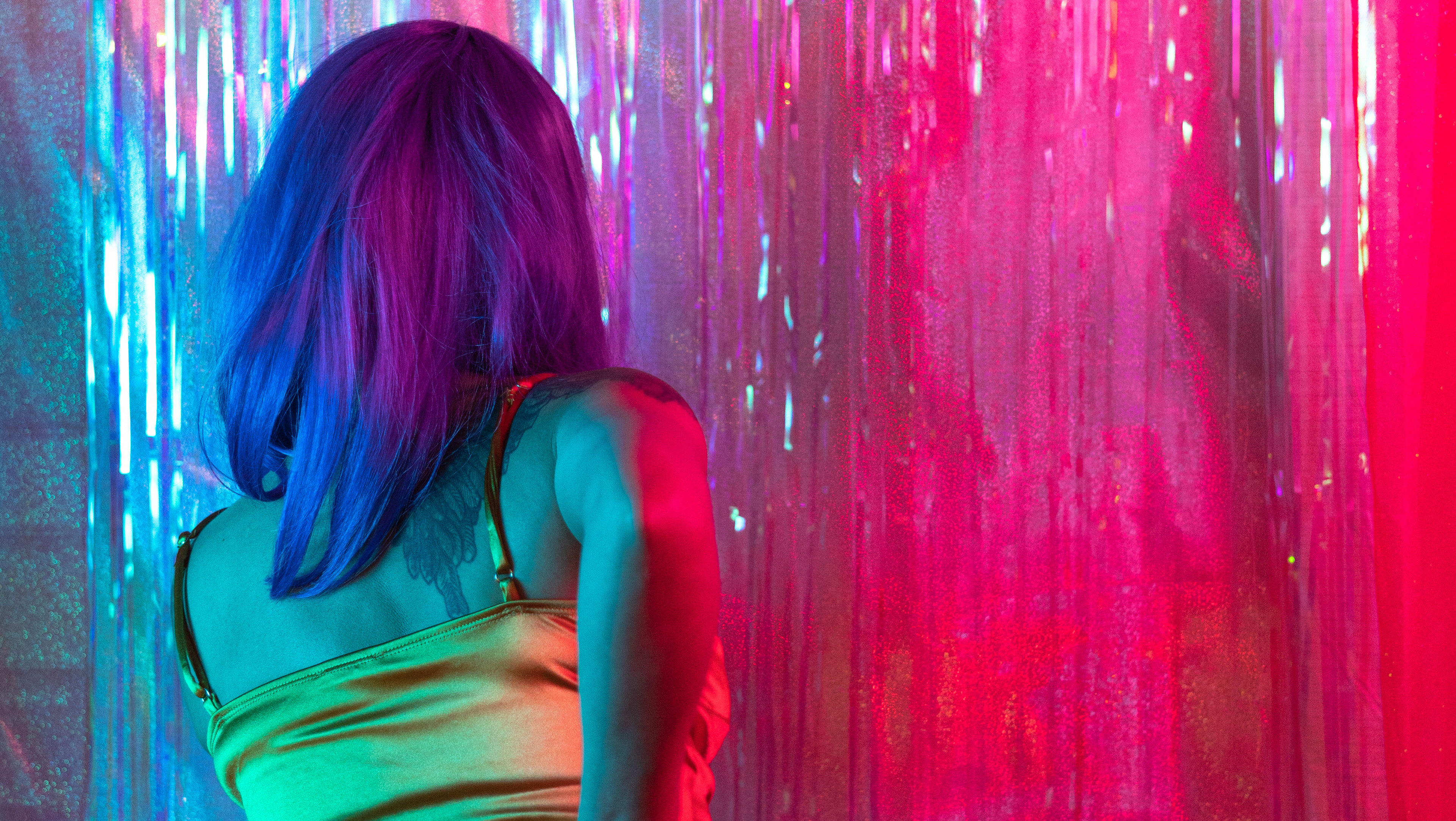
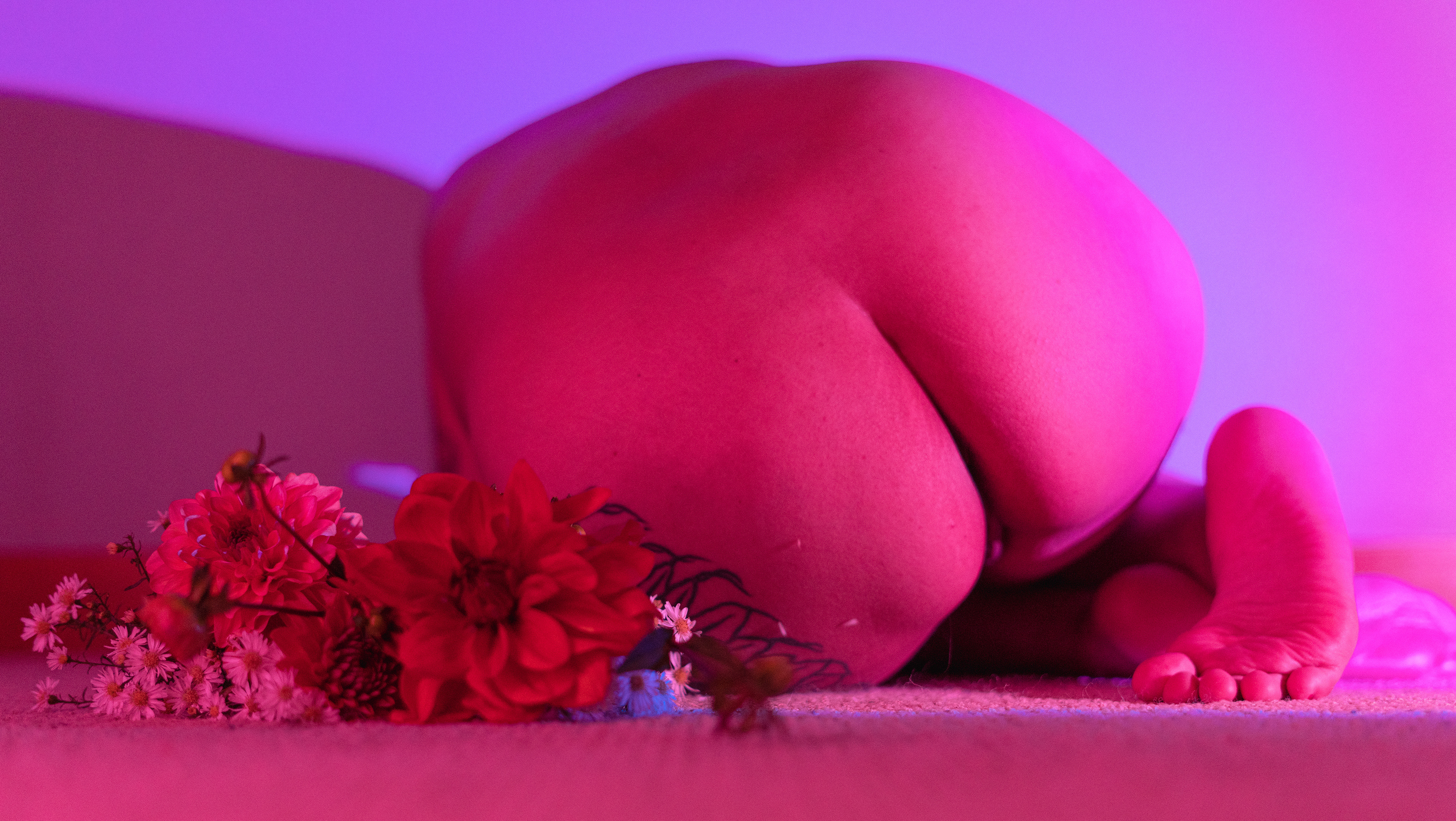
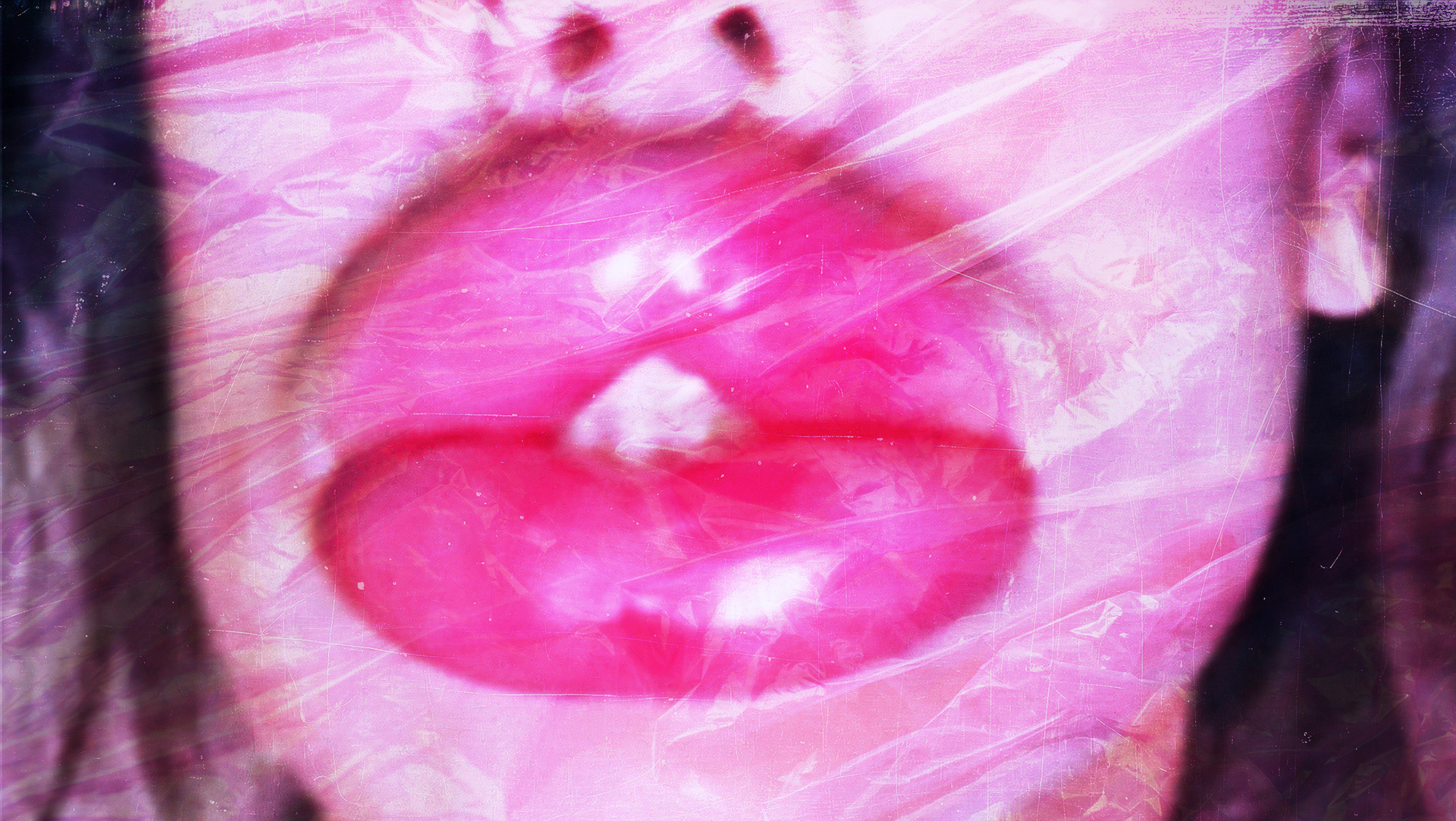
Photography activates the body, making it present, desirable, uncomfortable. It is not nudity that is rejected, but the possibility that the body exists in the present.
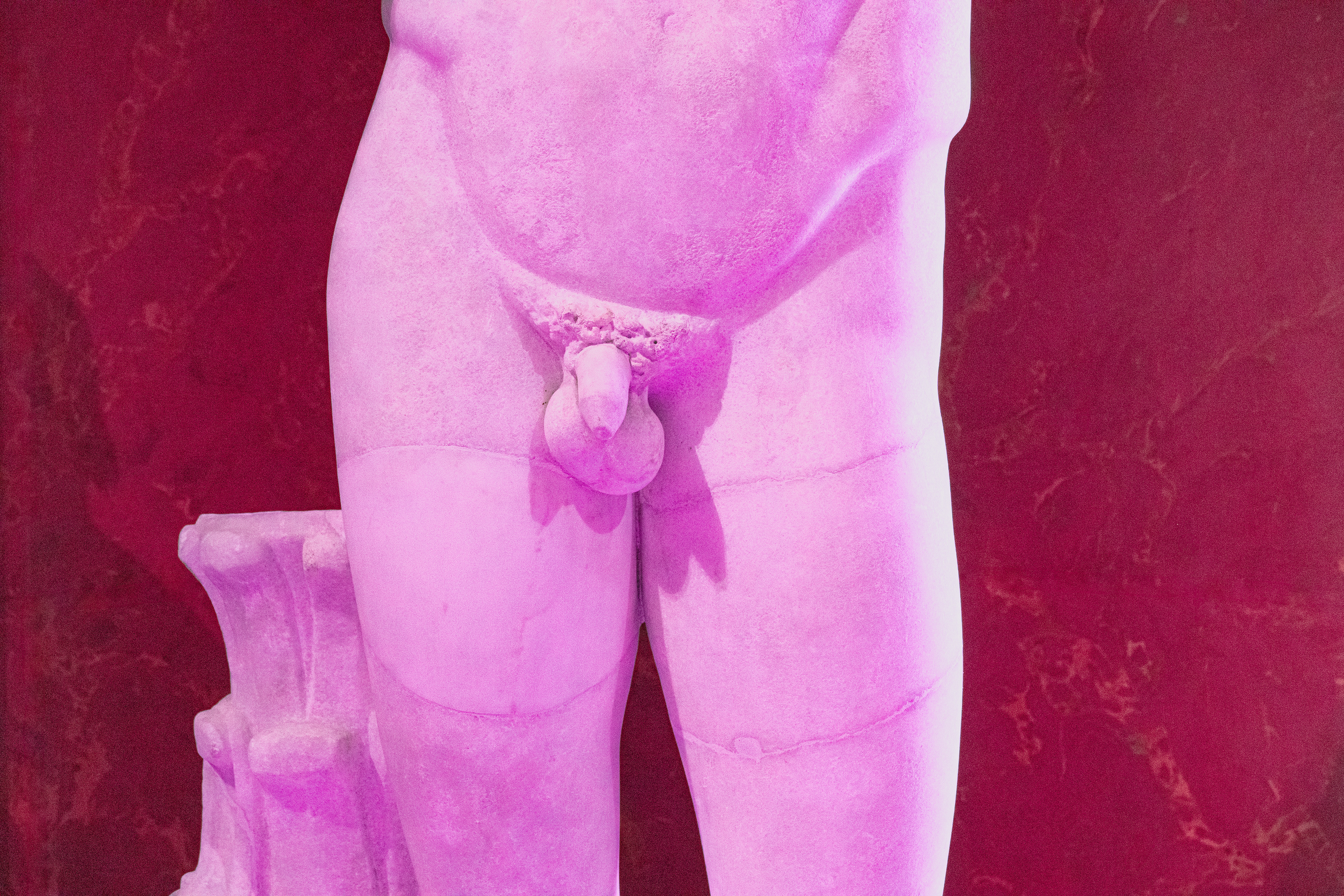
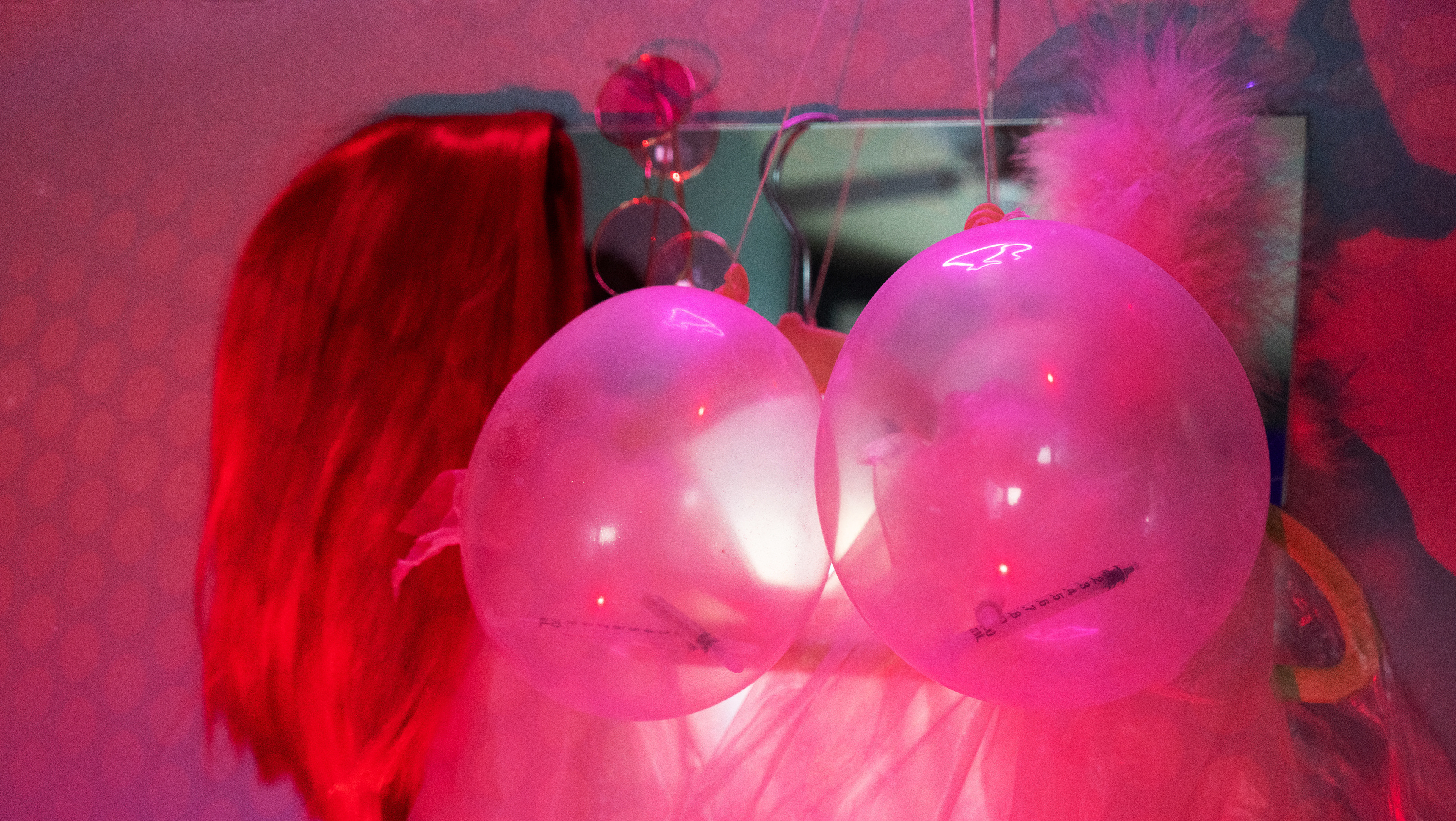
These images attempt to break that imposed imaginary distance. They will move against the current and bring the body into the present, into contemporary desire, in order to restore its grace and its capacity to unsettle.
We do not need to describe genitals as in a biology class, but the hierarchy of the body is something subliminally instilled from childhood: where a man’s torso is accepted, the face is celebrated, but certain areas are only accepted under specific conditions.
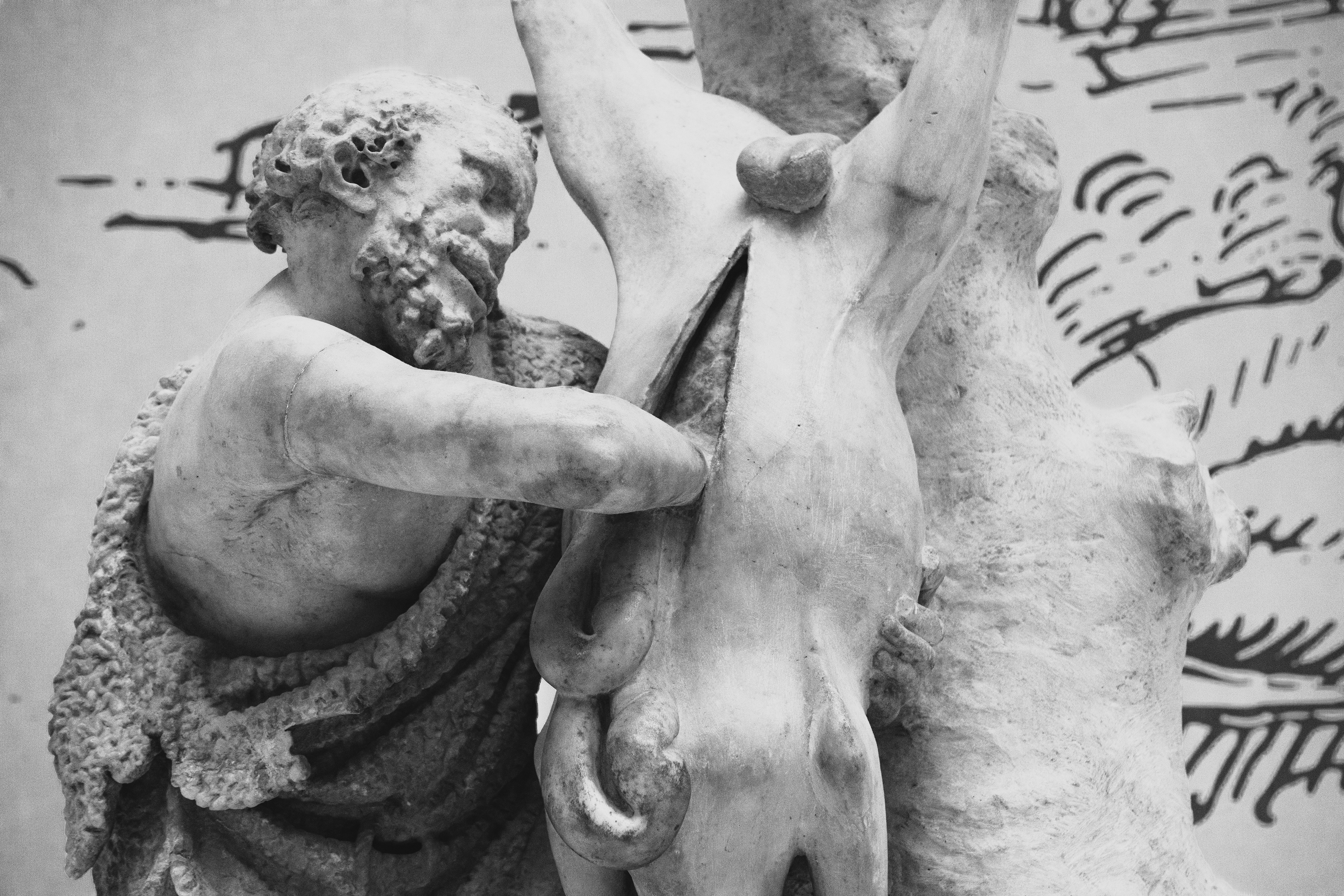
The classic penis, a symbol of power, heroism, masculinity, etc. In the case of the vulva, it has been both demonized and martyrized at the same time; it has been wrapped in a veil of sanctity, hidden, softened, erased.
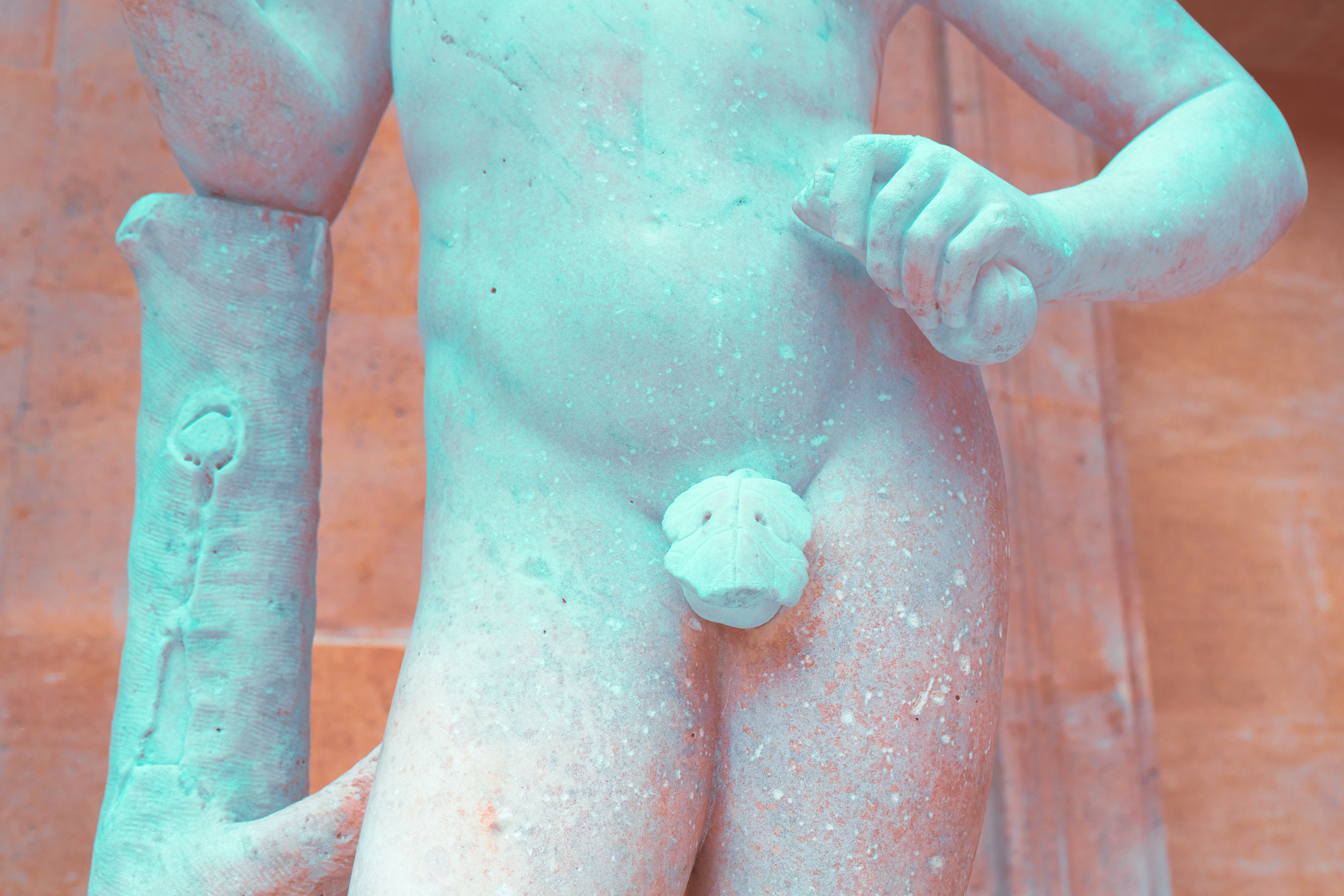
The editing of the body in sculpture is crucial: the genitals have been reduced, the surfaces are impeccably clean, without apparent hair, almost infantilized. It is a body corrected to be acceptable. In many female sculptures, the vulva is barely suggested, a detail almost invisible, almost nonexistent.
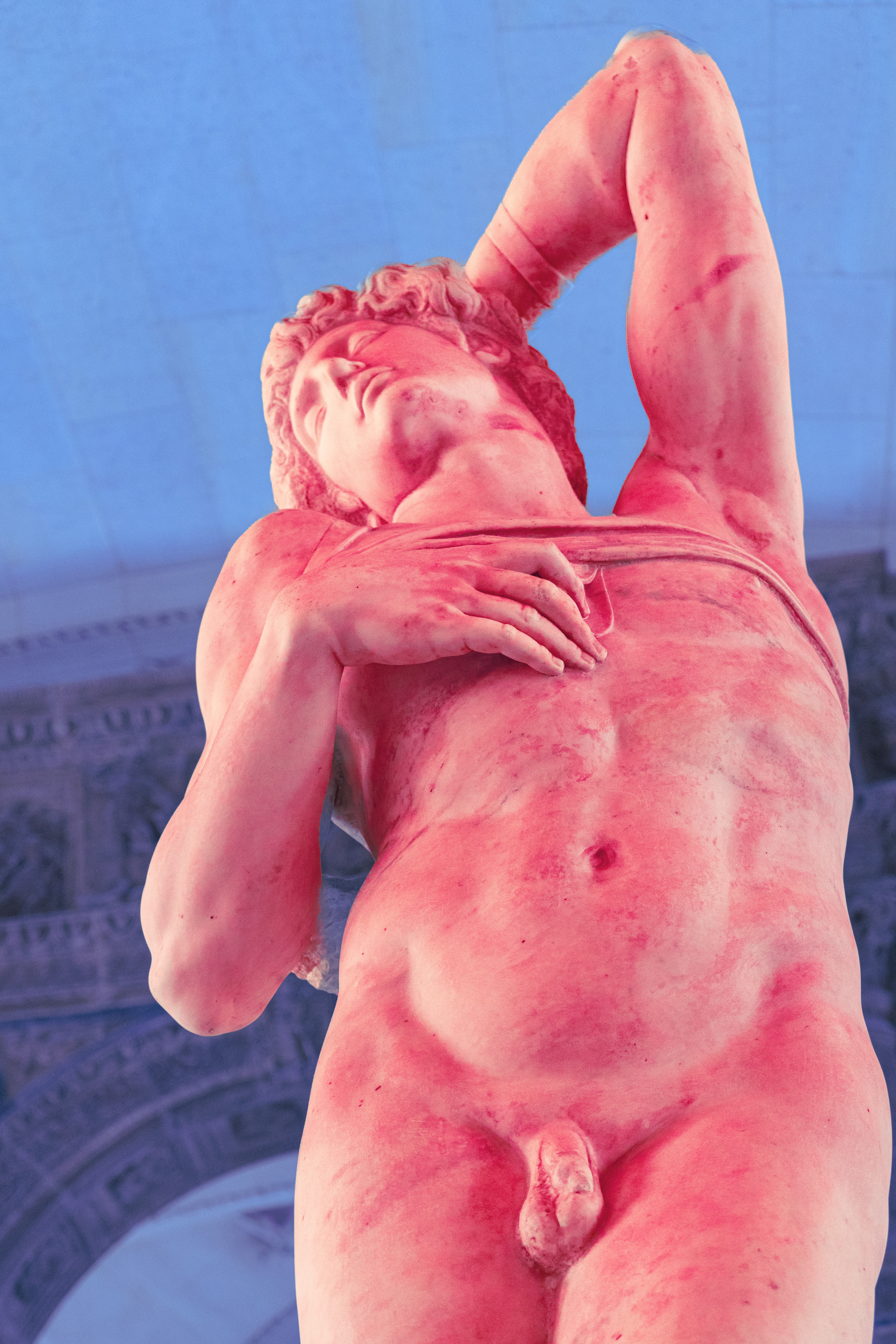
Inactive desire, far removed from the explicit. Sculpture recognizes no one; there is no real identity, desire, or possibility. This supposed controlled neutrality is a construction, in which not all parts have been permitted in the same way.
Edited organs, reduced, softened. Symbols contained, controlled, insinuated, almost erased.
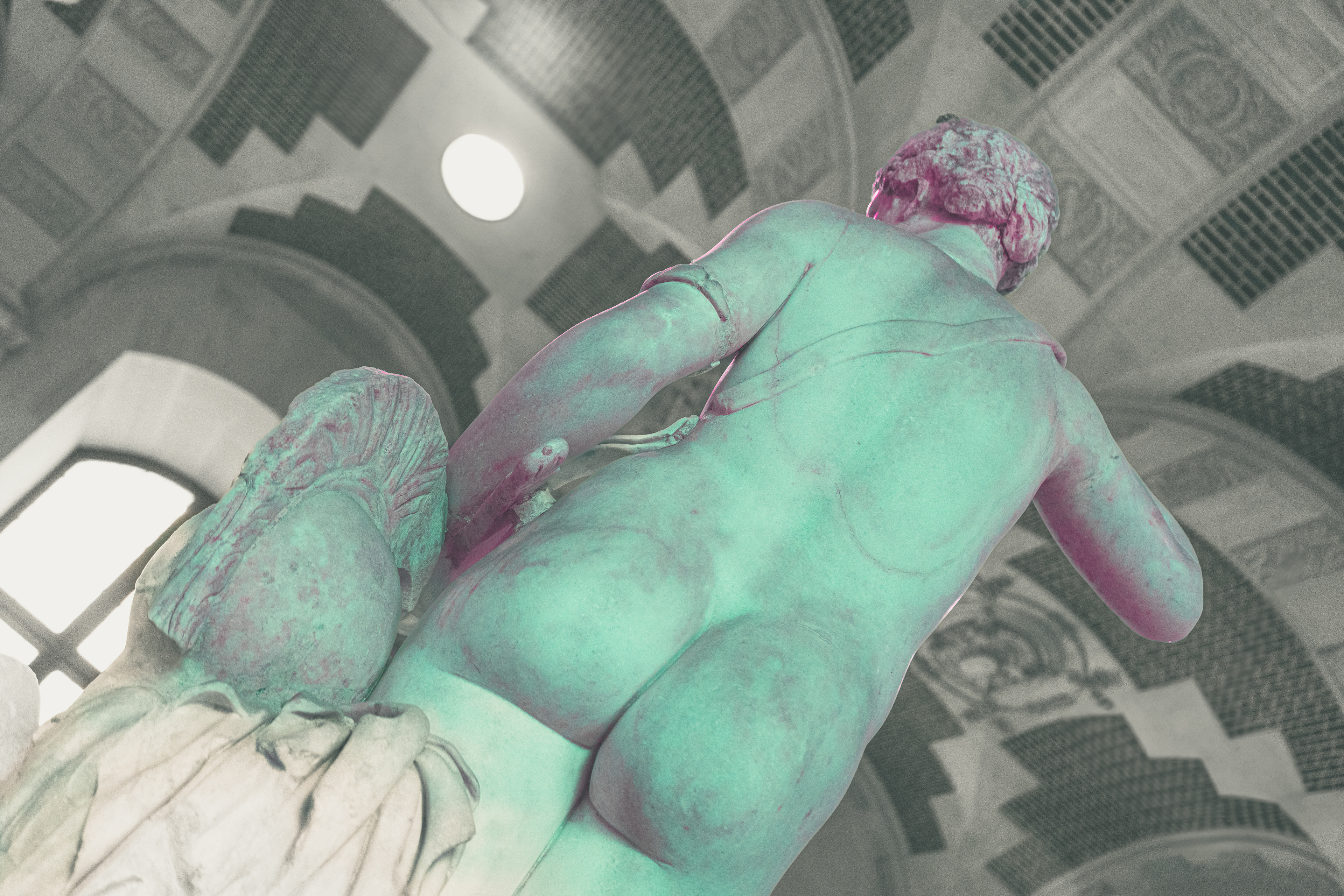
It is not a complete body, it is a corrected body: a clean surface, without excess, without desire, without possibility.
The intimate transformed into form without presence. And in that transformation, the body ceases to be a body.
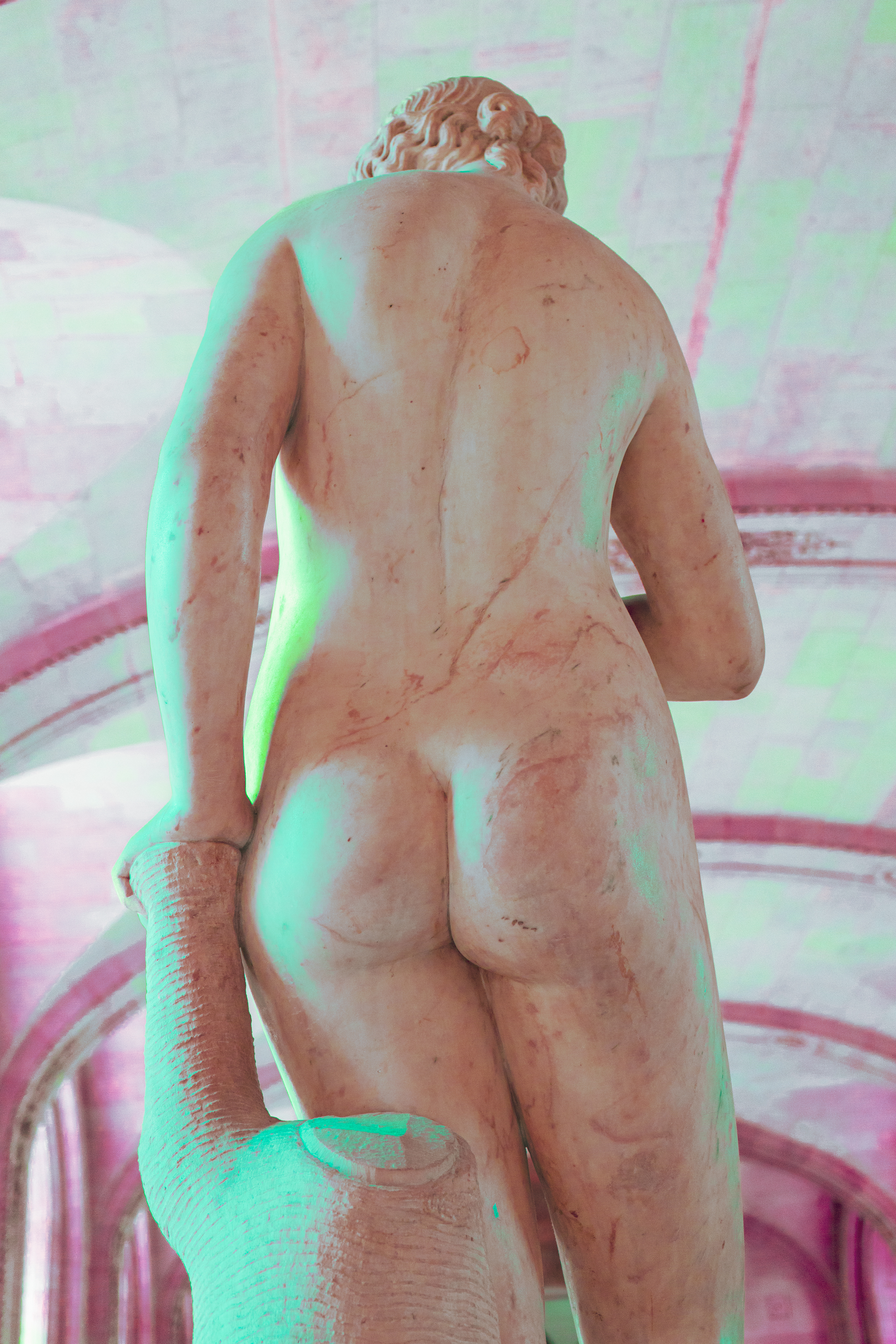
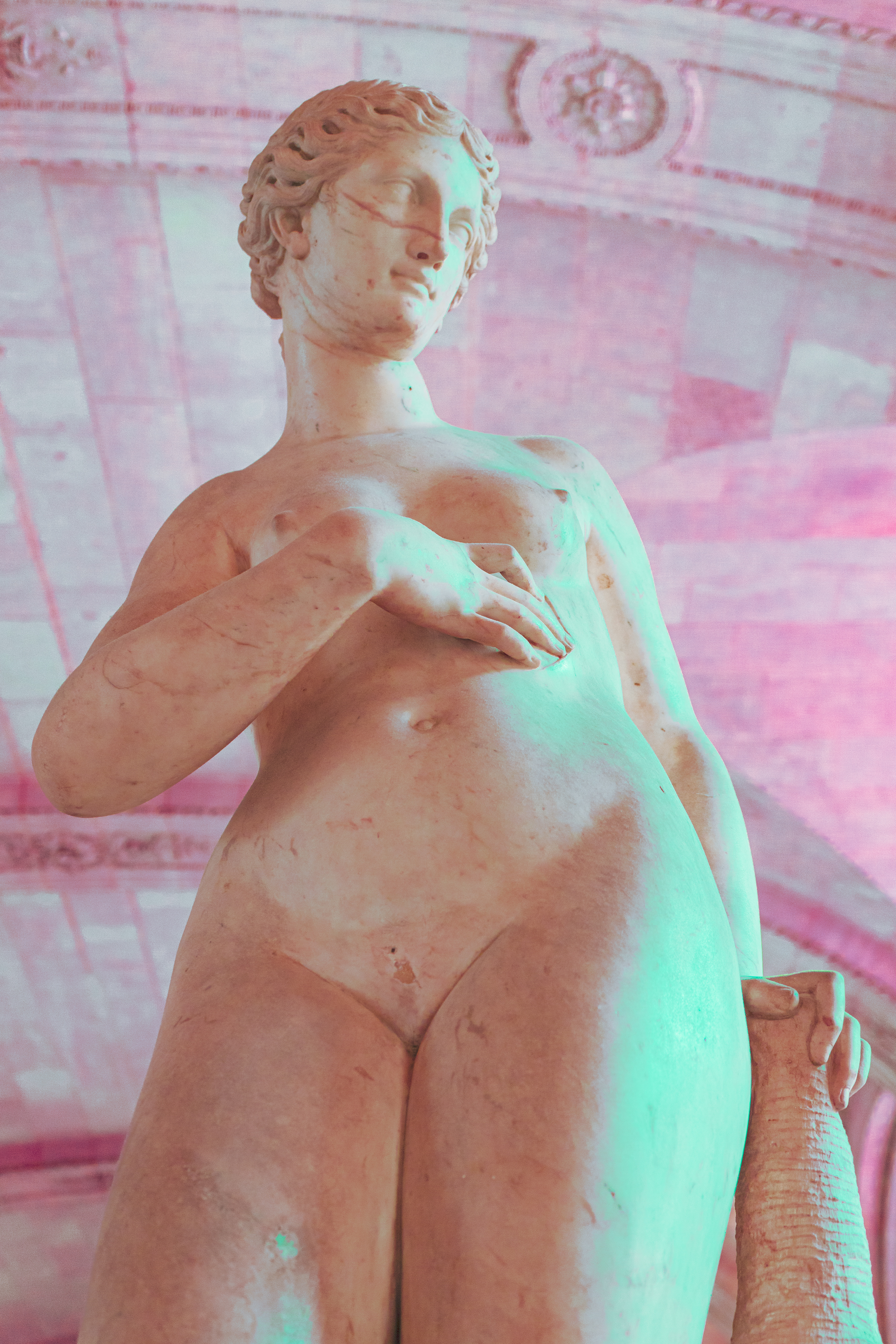
In a more essential sense, the gonad is the point of intersection between the finitude of the individual and the continuity of the species.
It is not just an organ: it is the biological anchor of time. The place where matter prepares to survive death.
While the rest of the body is destined to age and disappear, the gonad safeguards the germ: that spark of information that has traversed generations and seeks to project itself into the future.
It is the organ of material transcendence.
It is not the body that is, but the body that could be.
In its most raw form, the gonad reminds us that the body is not an end, but a means: a temporary vessel for something that insists on continuing.